
In healthcare, trust is one of the most important factors influencing patient decisions. Before choosing a dentist, patients want to feel confident that they are selecting a practice that is professional, reliable, and capable of providing quality care.
Today, that trust often begins online. A dental website, branding, social media presence, and digital materials create the first impression of your practice before a patient ever walks through your doors.
Professional design is not just about making a dental practice look attractive. It is about creating a visual experience that communicates credibility, comfort, and confidence.
A well-designed dental brand helps patients feel reassured, understand your services, and take the next step toward scheduling an appointment.
Here is how professional design helps build patient trust.
1. Creates a Strong First Impression
First impressions happen quickly. When potential patients visit your website or see your online presence, they immediately form an opinion about your dental practice.
A professional design communicates:
- Quality
- Reliability
- Attention to detail
- Modern care
- Professionalism
A clean and organized design creates confidence, while an outdated or poorly designed appearance may cause visitors to question the quality of your services.
Patients often associate a polished online presence with a higher standard of care.
2. Makes Your Practice Appear More Credible
Healthcare decisions require confidence. Patients want to know they are choosing a dentist they can trust.
Professional design helps establish credibility through:
- Consistent branding
- High-quality images
- Clear information
- Professional layouts
- Easy navigation
When your website and marketing materials look professional, patients are more likely to believe that your practice is organized and trustworthy.
3. Communicates Your Practice Values
Design is a powerful way to communicate what your dental practice represents.
For example:
A family dental practice may use warm colors, friendly images, and welcoming messaging to create a comfortable feeling.
A cosmetic dental practice may use elegant visuals and modern design elements to communicate precision and advanced care.
Your design choices should reflect:
- Your target patients
- Your services
- Your approach to care
- Your practice personality
A consistent visual identity helps patients understand who you are before they contact your office.
4. Improves Patient Understanding
Patients often feel overwhelmed when researching dental treatments. A well-designed website organizes information in a way that makes it easier to understand.
Professional design helps by:
- Creating clear sections
- Highlighting important information
- Using visual explanations
- Simplifying navigation
- Organizing treatment details
When patients can easily find answers to their questions, they feel more confident about choosing your practice.
5. Reduces Patient Anxiety
Many people experience dental anxiety. A professional and welcoming design can help create a sense of comfort before the first appointment.
Design elements that build comfort include:
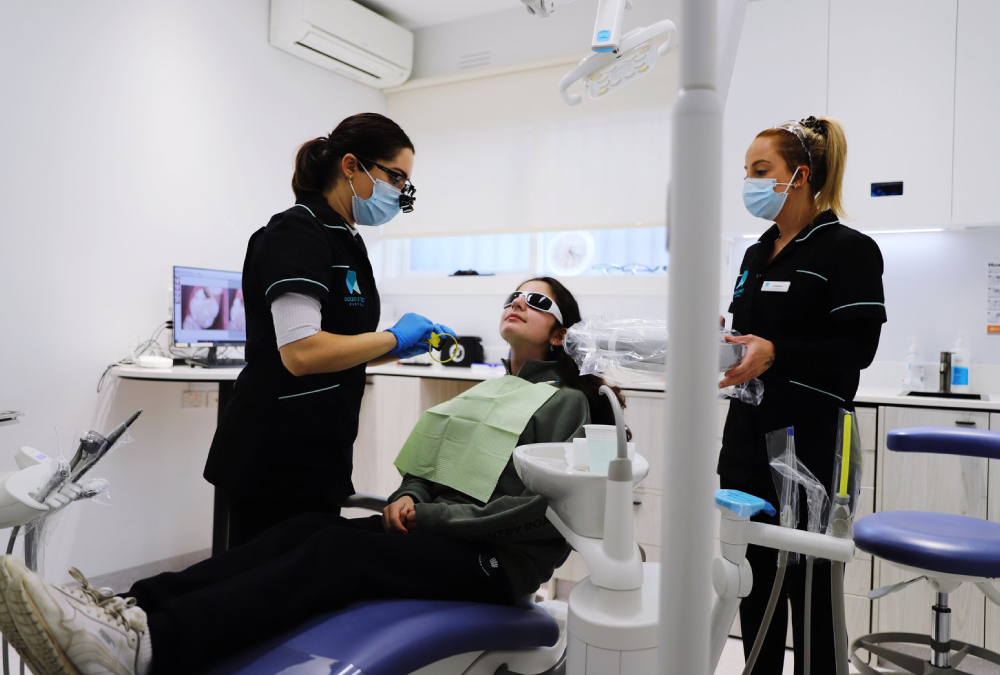
- Real photos of your team
- Images of your office environment
- Friendly messaging
- Patient testimonials
- Clear treatment explanations
A website that feels approachable helps patients feel more relaxed and prepared.
6. Builds Recognition Through Consistent Branding
Strong brands are memorable. Consistent design helps patients recognize your dental practice across different platforms.
Your branding should remain consistent across:
- Website
- Social media
- Email communication
- Online listings
- Marketing materials
Consistency in:
- Colors
- Fonts
- Logo usage
- Photography style
- Messaging
creates a stronger and more professional brand identity.
7. Improves User Experience
Professional design is not only about appearance—it is also about functionality.
A good dental website should make it easy for patients to:
- Find services
- Read reviews
- Learn about dentists
- Contact the office
- Schedule appointments
Poor user experience creates frustration and may cause potential patients to leave.
A simple, intuitive design improves satisfaction and increases appointment opportunities.
8. Strengthens Online Reputation
Your online presence influences how patients perceive your practice.
Professional design supports reputation by presenting:
- Patient reviews clearly
- Dentist credentials
- Treatment results
- Educational resources
- Practice achievements
When visitors see a professional and trustworthy digital presence, they are more likely to choose your practice.
9. Helps You Stand Out From Competitors
Many dental practices offer similar services. Professional design helps your practice create a unique identity in a competitive market.
A strong design strategy highlights:
- What makes your practice different
- Your patient experience
- Your areas of expertise
- Your unique approach to care
Standing out helps potential patients remember your practice when making a decision.
10. Supports Patient Conversion
The ultimate goal of professional design is helping more visitors become patients.
A well-designed dental website guides visitors through the decision process by:
- Building trust
- Providing information
- Answering concerns
- Making scheduling simple
When design and strategy work together, your website becomes a powerful patient acquisition tool.
Final Thoughts
Professional design plays a major role in building patient trust. In today’s digital environment, your website and online presence often serve as the first interaction between your practice and potential patients.
A thoughtful design strategy communicates professionalism, improves patient confidence, and creates a better overall experience.
Dental practices that invest in professional branding, website design, and digital experiences can build stronger relationships, attract more patients, and create long-term growth.
Spark Dental Marketing helps dental practices create professional digital identities through strategic branding, website design, and marketing solutions designed to build trust and increase patient engagement.