
A dental website is often the first impression potential patients have of your practice. Before calling your office or scheduling an appointment, many people visit your website to learn about your services, evaluate your credibility, and decide whether your practice feels like the right choice.
However, many dental practices make website design mistakes that prevent visitors from becoming patients. A website may look professional but still fail to generate appointments if it is difficult to navigate, lacks trust-building elements, or does not provide a clear path for patients to take action.
Avoiding these common dental website design mistakes can help your practice improve user experience, attract more visitors, and increase appointment requests.
1. Having an Outdated Website Design
One of the biggest mistakes dental practices make is allowing their website to become outdated. A website that looks old can create the impression that your practice is behind the times.
Patients often associate a modern website with:
- Professionalism
- Quality care
- Advanced technology
- Trustworthiness
An outdated website may include:
- Old designs
- Poor-quality images
- Outdated information
- Difficult navigation
- Non-responsive layouts
A modern dental website should create confidence and make visitors feel comfortable choosing your practice.
2. Not Making the Website Patient-Focused
Many dental websites focus too much on the practice and not enough on the patient.
Instead of only listing services, your website should answer the questions patients actually have:
- Can this dentist solve my problem?
- What will my treatment experience be like?
- Is this practice trustworthy?
- How do I schedule an appointment?
Patient-focused websites explain benefits, provide helpful information, and guide visitors toward making decisions.
3. Poor Website Navigation
A confusing website can cause visitors to leave before finding important information.
Common navigation problems include:
- Too many menu options
- Hidden contact information
- Difficult-to-find services
- Missing appointment buttons
- Unclear page structure
A dental website should make it easy for visitors to find:
- Services
- Dentist information
- Reviews
- Location details
- Appointment options
Simple navigation creates a better experience and improves conversions.
4. Missing Clear Calls-to-Action
A common mistake is creating a website that provides information but does not encourage visitors to take action.
Every dental website should clearly guide visitors toward the next step.
Examples of effective calls-to-action include:
- Schedule Your Appointment
- Request a Consultation
- Call Our Office Today
- Book Your Dental Visit
These buttons should appear throughout the website, especially on:
- Homepage
- Service pages
- Blog posts
- Contact pages
Without clear CTAs, visitors may leave without becoming leads.
5. Ignoring Mobile Optimization
Many patients search for dentists using smartphones. A website that works well on desktop but performs poorly on mobile can result in lost opportunities.
Common mobile problems include:
- Small text
- Difficult scrolling
- Slow loading pages
- Hard-to-use forms
- Missing click-to-call options
A mobile-friendly website should provide a smooth experience across all devices.
6. Slow Website Loading Speed
Website speed directly affects user experience and patient conversions. Visitors expect websites to load quickly, and slow pages can cause frustration.
Common causes of slow dental websites include:
- Large image files
- Poor hosting
- Too many plugins
- Unnecessary animations
- Poor website optimization
Improving website speed helps visitors stay engaged and increases the chances they will contact your office.
7. Using Generic Images Instead of Real Practice Photos
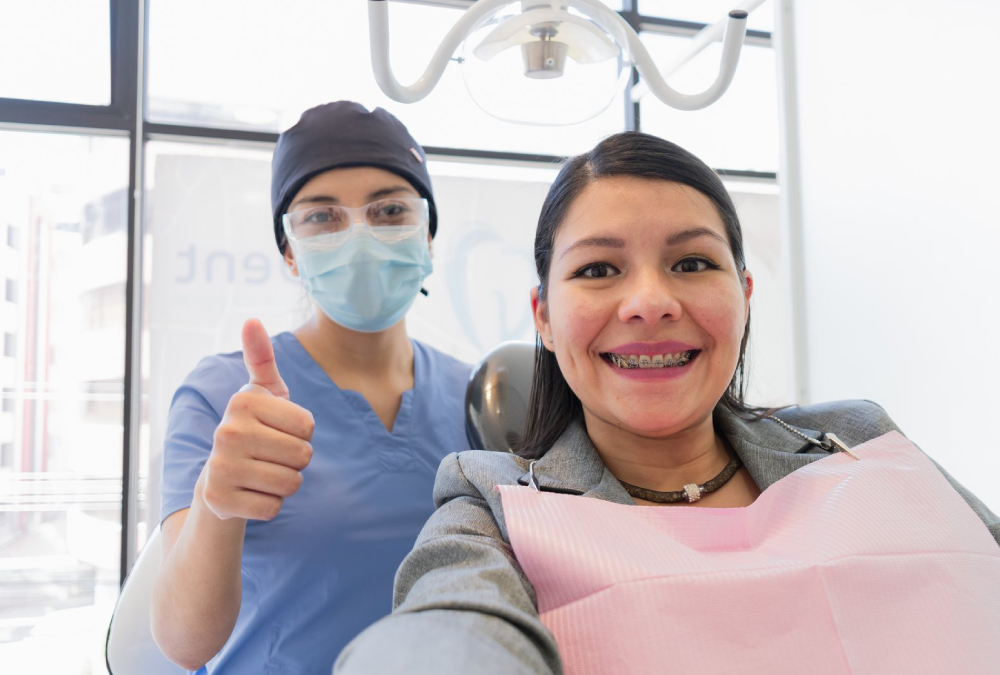
Stock images can make a website feel less personal. Patients want to know the people and environment behind the practice.
Using real photos of:
- Dentists
- Team members
- Office spaces
- Equipment
- Patient experiences
helps create trust and familiarity.
Authentic visuals make potential patients feel more connected before their first appointment.
8. Not Highlighting Patient Reviews
Reviews are one of the strongest trust signals for dental patients. Many visitors want reassurance before choosing a dentist.
A website without testimonials may miss an important opportunity to build confidence.
Include:
- Google review highlights
- Patient testimonials
- Success stories
- Treatment experiences
Positive feedback helps potential patients feel more comfortable scheduling an appointment.
9. Lack of Detailed Service Information
Some dental websites only provide short descriptions of treatments. This can leave patients with unanswered questions.
Each major service should have a dedicated page explaining:
- What the treatment involves
- Benefits
- Treatment process
- Expected results
- Frequently asked questions
Detailed service pages improve both patient education and search engine visibility.
10. Poor Search Engine Optimization (SEO)
A beautiful website is ineffective if potential patients cannot find it online.
Common SEO mistakes include:
- Missing keywords
- Poor page titles
- No location optimization
- Limited content
- No blog strategy
Dental websites should be optimized for searches such as:
- Dentist near me
- Cosmetic dentist in [city]
- Dental implants in [location]
SEO helps your practice attract patients who are actively searching for dental care.
11. Making Appointment Booking Difficult
A complicated booking process can prevent interested visitors from becoming patients.
Avoid:
- Long forms
- Hidden contact details
- Limited scheduling options
- Slow response times
Make booking simple with:
- Online appointment requests
- Short forms
- Click-to-call buttons
- Easy contact options
Convenience plays a major role in patient decisions.
12. Ignoring Website Analytics
Many dental practices launch a website but never analyze how it performs.
Without tracking data, you may not know:
- Which pages attract visitors
- Where users leave
- How many people request appointments
- Which marketing efforts work
Analytics help improve website performance and increase patient conversions over time.
Final Thoughts
A successful dental website requires more than attractive design. It must create trust, provide valuable information, offer a smooth user experience, and make it easy for visitors to become patients.
By avoiding common mistakes like poor navigation, outdated design, weak SEO, and unclear calls-to-action, dental practices can transform their websites into powerful growth tools.
A well-designed dental website helps patients discover your practice, understand your services, and confidently schedule an appointment.
Spark Dental Marketing helps dental practices create modern, conversion-focused websites that improve online visibility, attract more patients, and support long-term practice growth.