A dental website is one of the most powerful tools for attracting new patients and growing a practice. However, simply having a website is not enough. A successful dental website must be designed to guide visitors, build trust, and encourage them to take action.
Many potential patients visit dental websites but leave without contacting the office. The difference between a website that generates appointments and one that does not often comes down to the features and user experience.
A high-performing dental website makes it easy for visitors to understand your services, trust your practice, and schedule an appointment.
Here are the most important dental website features that can increase appointment requests.
1. Clear and Visible Appointment Buttons
One of the most important features of a dental website is a clear call-to-action (CTA). Visitors should never have to search for how to contact your office.
Effective appointment buttons include:
- Schedule an Appointment
- Book Your Visit
- Request a Consultation
- Call Our Office Today
- Get Started
These buttons should appear throughout your website, including:
- Homepage
- Service pages
- Blog articles
- Contact page
A clear CTA reduces friction and makes it easier for interested visitors to become patients.
2. Online Appointment Scheduling
Modern patients value convenience. Many people prefer booking appointments online instead of calling during office hours.
An online scheduling feature allows patients to:
- Request appointments anytime
- Choose preferred dates
- Submit contact information
- Reduce phone wait times
Online booking creates a smoother patient experience and increases the chances of converting website visitors into appointments.
3. Mobile-Friendly Design
A large number of patients search for dentists using smartphones. If your website is difficult to use on mobile devices, visitors may leave before contacting your practice.
A mobile-friendly dental website should include:
- Responsive design
- Easy navigation
- Large readable text
- Click-to-call buttons
- Simple appointment forms
A seamless mobile experience ensures potential patients can connect with your office wherever they are.
4. Fast Website Loading Speed
Website speed has a major impact on user experience. A slow website can frustrate visitors and cause them to leave before scheduling.
Important speed improvements include:
- Optimized images
- Clean website code
- Reliable hosting
- Reduced unnecessary features
A faster website improves patient satisfaction and increases the likelihood that visitors will explore your services and contact your office.
5. Patient Reviews and Testimonials
Trust is essential when choosing a dentist. Many patients look for reviews before deciding which practice to visit.
Adding testimonials and reviews to your website helps build confidence.
Effective trust features include:
- Google review highlights
- Patient testimonials
- Success stories
- Before-and-after results
- Patient experiences
Social proof reassures visitors that they are making the right choice.
6. Dedicated Service Pages
Patients want detailed information before committing to treatment. A website that only lists services provides limited value.
Create individual pages for important treatments such as:
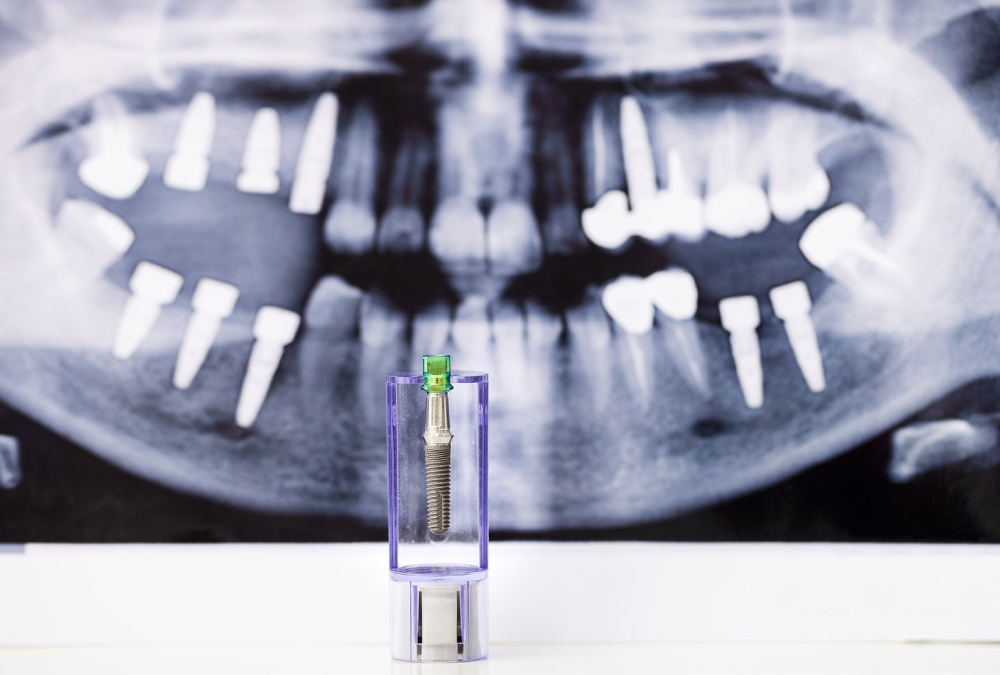
- Dental implants
- Cosmetic dentistry
- Teeth whitening
- Emergency dentistry
- Invisalign
- Preventive care
Each page should explain:
- What the treatment involves
- Benefits of the procedure
- Who is a good candidate
- What patients can expect
- How to schedule a consultation
Detailed service pages help patients make informed decisions and increase appointment opportunities.
7. Dentist and Team Profiles
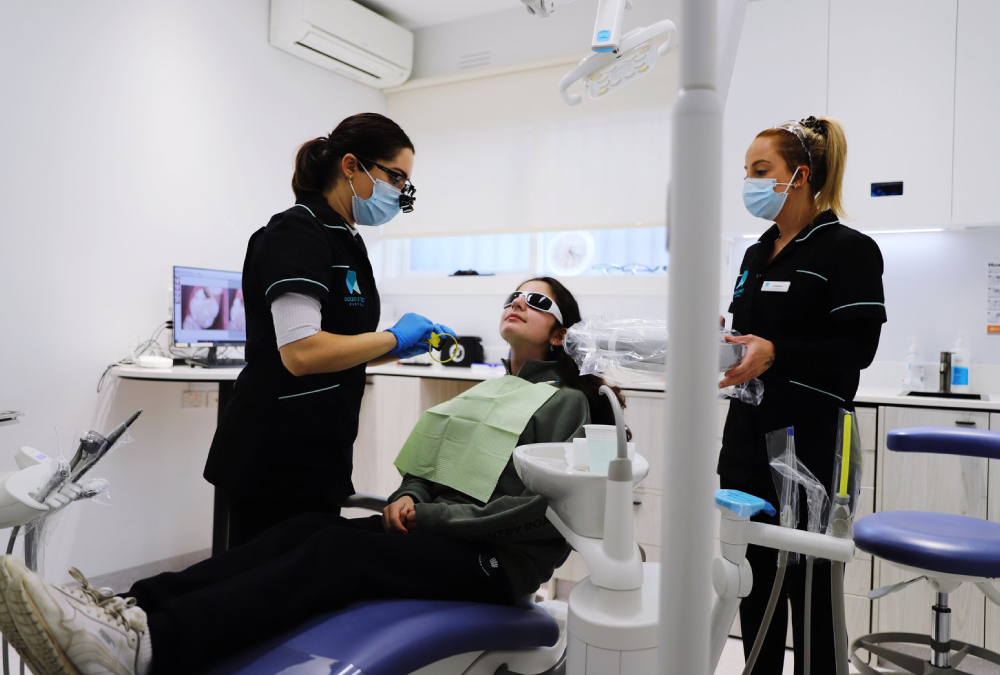
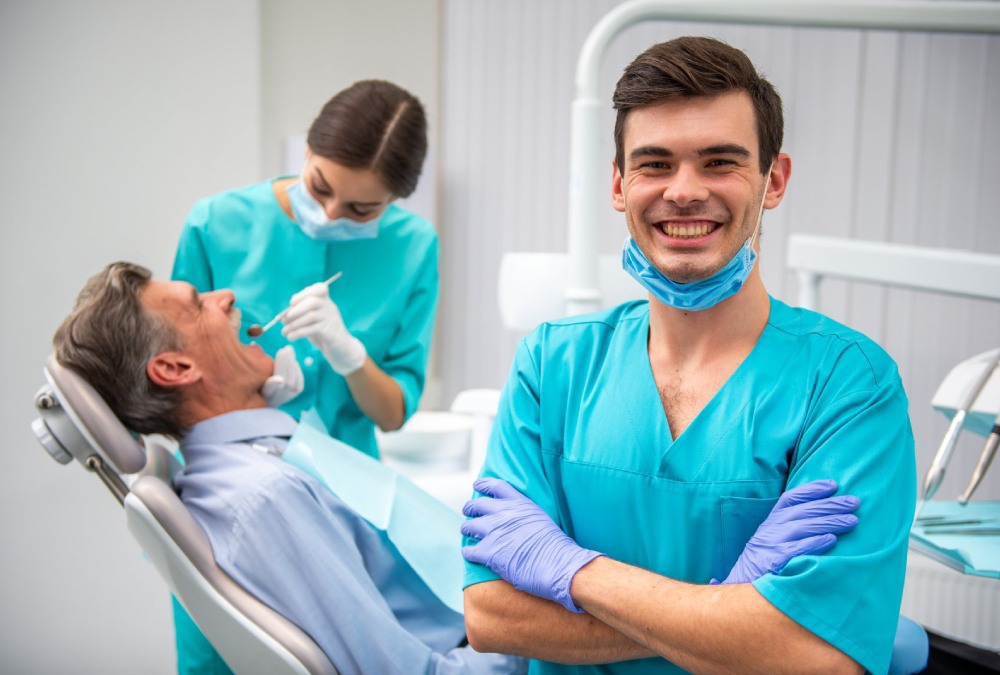
Patients want to know who will be providing their care. Introducing your dental team helps create familiarity and trust before the first visit.
A strong team section should include:
- Dentist biographies
- Education and credentials
- Professional experience
- Photos
- Personal approach to patient care
Humanizing your practice helps visitors feel more comfortable choosing your office.
8. Easy Contact Options
Visitors should have multiple ways to contact your dental office.
Include:
- Phone number
- Contact form
- Email option
- Online booking
- Office location
- Business hours
Adding click-to-call functionality is especially important for mobile users who want immediate assistance.
9. Educational Blog and Resources
Patients often research dental concerns before scheduling appointments. Providing helpful information can build trust and encourage visitors to choose your practice.
Useful content includes:
- Treatment guides
- Dental care tips
- Frequently asked questions
- Procedure explanations
- Cost information
Educational content positions your practice as a trusted resource and helps attract visitors through search engines.
10. Emergency Dental Information
Patients searching for emergency dental care often need quick answers. A dedicated emergency dentistry section can capture these high-intent visitors.
Include:
- Emergency services offered
- Steps patients should take
- Office availability
- Contact information
- Immediate booking options
Making emergency information easy to find can turn urgent searches into appointments.
11. Before-and-After Treatment Galleries
Visual proof can strongly influence patient decisions, especially for cosmetic treatments.
Before-and-after galleries can showcase:
- Smile transformations
- Cosmetic procedures
- Restorative treatments
- Patient outcomes
These examples help potential patients understand the results they can expect.
12. Live Chat and Instant Communication
Many patients have questions before scheduling. Live chat features allow visitors to receive quick answers without leaving the website.
Live communication tools can help with:
- Answering common questions
- Collecting patient information
- Guiding visitors toward appointments
Faster responses improve conversion rates and create a better patient experience.
13. Strong Local SEO Features
A dental website should be optimized to attract patients in its service area.
Important local SEO features include:
- Location pages
- Google Maps integration
- Local keywords
- Consistent business information
- Optimized Google Business Profile
Local SEO helps your practice appear when nearby patients search for dental services.
Final Thoughts
A successful dental website is designed around one goal: helping visitors become patients. Features like online scheduling, clear calls-to-action, patient reviews, mobile optimization, educational content, and easy communication create a smoother experience that encourages appointment requests.
The best dental websites do not simply provide information—they build trust, answer questions, and make it easy for patients to take action.
Spark Dental Marketing helps dental practices create conversion-focused websites with the right features, SEO strategies, and digital solutions to attract more patients and increase appointment opportunities.