What Makes a Dental Website Convert Visitors Into Patients?
A dental website is more than a digital business card. It is often the first interaction a potential patient has with your practice, and that first impression can determine whether they schedule an appointment or choose another dentist.
Many dental practices invest in attractive website designs but still struggle to generate new patient leads. The reason is that a successful dental website is not just about appearance—it is about creating an experience that builds trust, answers patient questions, and makes taking the next step simple.
A high-converting dental website combines strategic design, clear messaging, strong SEO, and patient-focused features to turn visitors into appointments.
Here are the key elements that make a dental website convert more visitors into patients.
1. A Clear and Professional First Impression
Patients make decisions quickly when visiting a website. Within seconds, they decide whether a dental practice looks trustworthy and professional.
A strong dental website should immediately communicate:
- Who you are
- What services you provide
- Where you are located
- Why patients should choose your practice
Your homepage should include:
- Professional images
- A clear value statement
- Easy-to-find contact information
- Strong appointment options
A confusing or outdated website can create uncertainty and cause visitors to leave before exploring your services.
2. Patient-Focused Messaging
Many dental websites focus only on what the practice offers instead of what patients need.
Patients are not simply looking for procedures—they are looking for solutions to their concerns.
Instead of only saying:
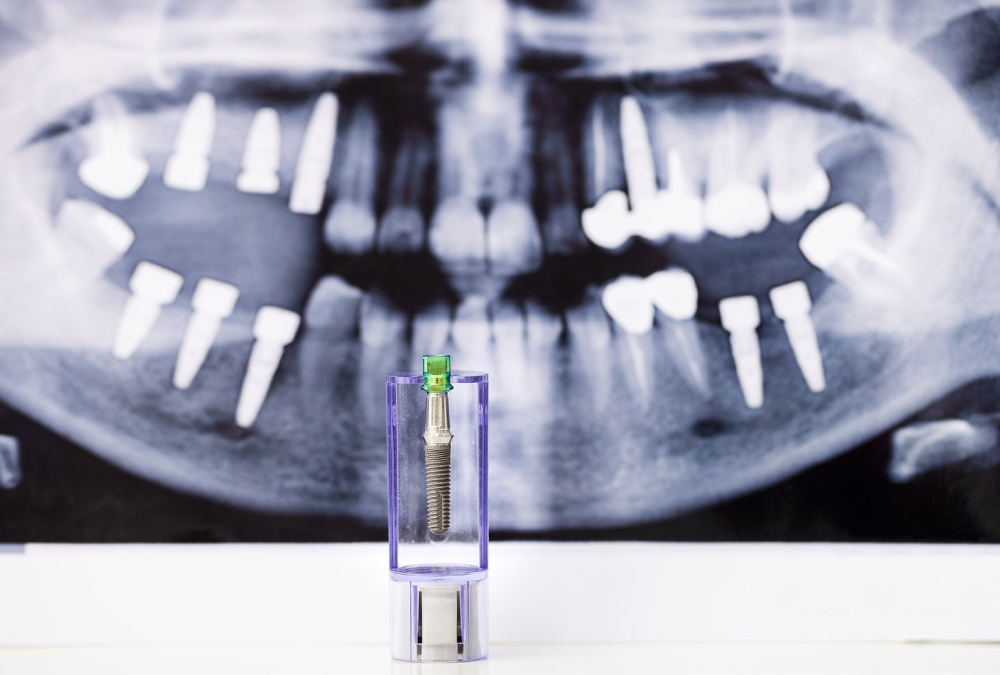
“We provide dental implants.”
A stronger message would explain:
“Restore your smile and confidence with comfortable, long-lasting dental implant solutions from an experienced dental team.”
Patient-focused messaging helps visitors understand the value of choosing your practice.
3. Easy Appointment Scheduling
A website should make it simple for visitors to become patients. If scheduling an appointment requires too many steps, potential patients may leave.
A conversion-focused dental website should include:
- Online appointment booking
- Click-to-call buttons
- Simple contact forms
- Clear scheduling instructions
- Multiple contact options
Appointment buttons should be visible throughout the website, especially on:
- Homepage
- Service pages
- Blog articles
- Contact page
The easier it is to schedule, the more likely visitors are to take action.
4. Strong Trust Signals
Choosing a dentist is a personal healthcare decision. Patients need confidence before booking an appointment.
A successful dental website builds trust through:
- Patient reviews
- Testimonials
- Dentist biographies
- Professional credentials
- Awards and certifications
- Before-and-after results
Reviews are especially powerful because potential patients want to know that others have had positive experiences.
Displaying real patient experiences reduces hesitation and encourages new appointments.
5. Detailed Service Pages
A common mistake dental practices make is creating a single page listing all services. This limits both SEO performance and patient understanding.
Each major service should have its own dedicated page.
Examples:
- Dental Implants
- Cosmetic Dentistry
- Teeth Whitening
- Emergency Dentistry
- Invisalign
- Preventive Care
Each page should explain:
- What the treatment is
- Who benefits from it
- The process involved
- Expected results
- Why patients should choose your practice
Detailed service pages help visitors make informed decisions.
6. Mobile-Friendly Design
Many potential patients search for dentists using smartphones. If your website does not work well on mobile devices, you may lose valuable opportunities.
A mobile-friendly dental website should have:
- Fast loading speed
- Simple navigation
- Readable text
- Easy appointment forms
- Clickable phone numbers
A smooth mobile experience helps visitors stay engaged and increases conversion rates.
7. Educational Content That Builds Confidence
Patients often research dental treatments before making an appointment. Providing helpful information helps your practice become a trusted resource.
Effective dental content includes:
- Treatment guides
- Frequently asked questions
- Oral health tips
- Procedure explanations
- Cost information
For example, a patient researching dental implants may not be ready to book immediately. A helpful article can answer their concerns and guide them toward scheduling a consultation.
8. Fast Website Performance
Website speed directly affects patient experience. A slow website can frustrate visitors and reduce conversions.
A high-performing dental website should:
- Load quickly
- Use optimized images
- Have clean code
- Work smoothly across devices
A faster website improves user experience and supports better search engine rankings.
9. Clear Calls-to-Action
Many dental websites provide information but fail to tell visitors what to do next.
Every page should have a clear action step.
Examples:
- Schedule Your Appointment
- Request a Consultation
- Call Our Office Today
- Meet Our Dental Team
- Get Started With Treatment
Strong calls-to-action guide visitors toward becoming patients.
10. Effective Follow-Up Systems
Not every visitor will schedule immediately. Some patients need additional information before making a decision.
Follow-up systems help convert interested visitors over time.
Examples include:
- Email campaigns
- Appointment reminders
- Treatment information
- Patient reactivation messages
- Automated responses
Consistent communication keeps your practice connected with potential patients.
Final Thoughts
A dental website that converts visitors into patients requires more than attractive design. It needs a strategy focused on trust, convenience, education, and patient experience.
The most successful dental websites make it easy for visitors to understand their options, feel confident about the practice, and take the next step toward scheduling care.
By combining professional design, SEO, strong content, clear calls-to-action, and patient-focused features, dental practices can turn their websites into powerful tools for growth.
Spark Dental Marketing helps dental practices create conversion-focused websites and digital marketing strategies designed to attract more visitors, generate patient leads, and support long-term practice success.